

A protective backpack is more than fabric and zippers. If the design contains built-in layers, cleaning methods that seem harmless for an ordinary school bag may not be appropriate.
The safest approach is gentle cleaning, room-temperature drying and regular inspection. Do not machine wash or modify the bag unless the manufacturer specifically approves it.
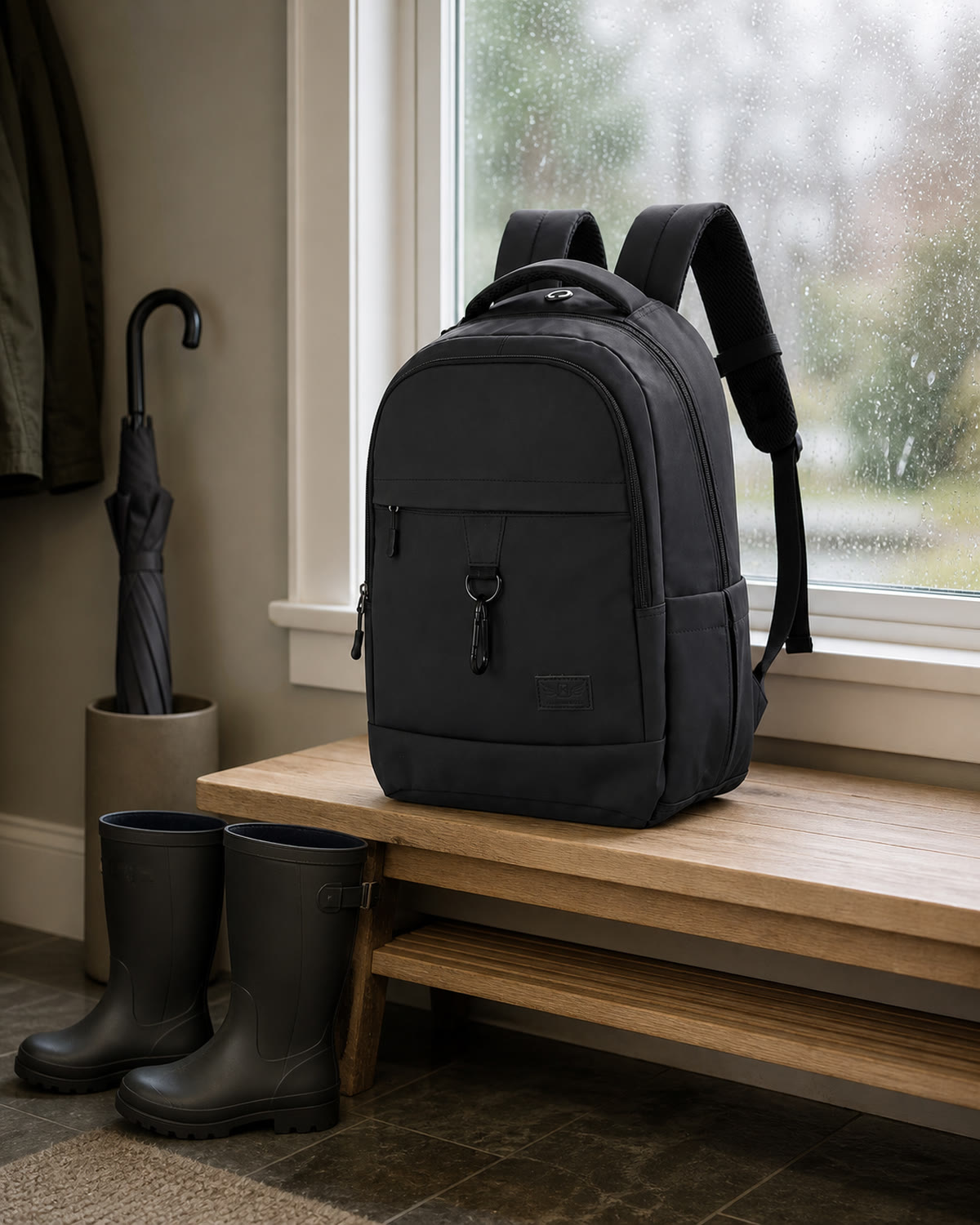
After rain or snow
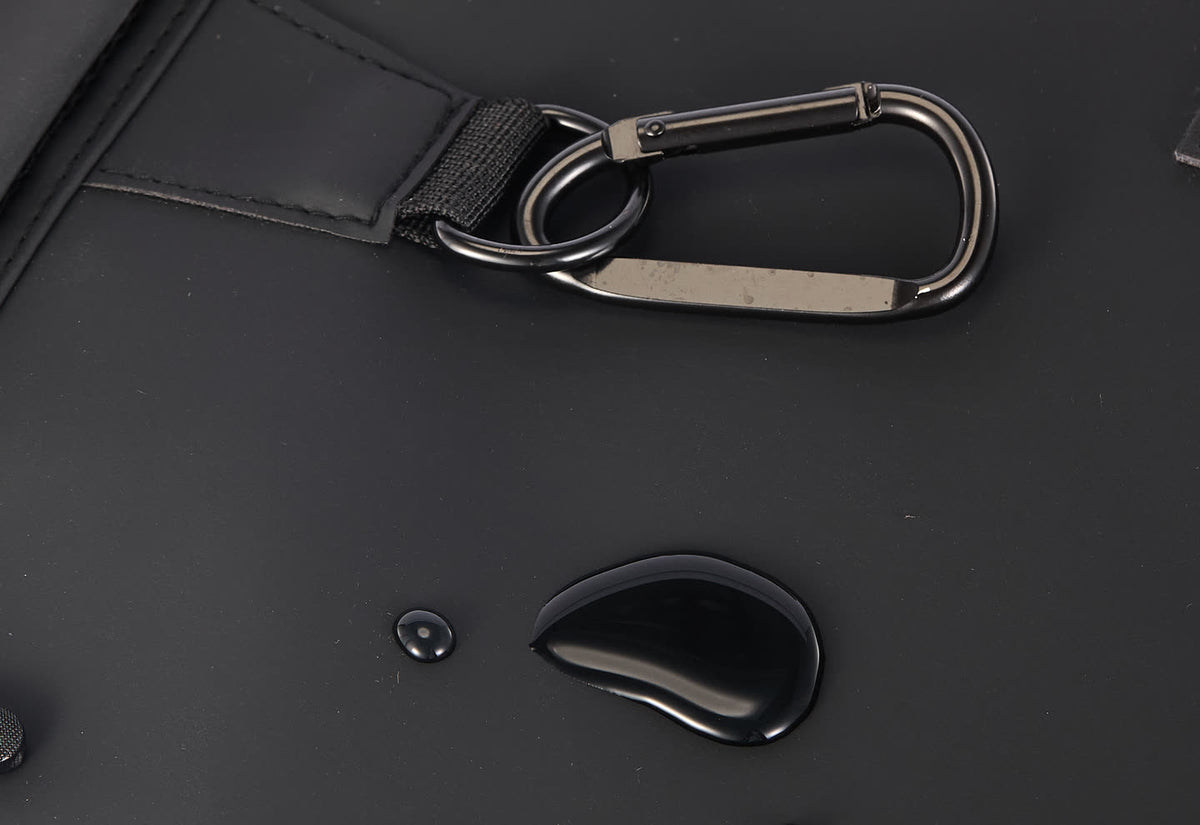
A water-resistant exterior is designed to handle everyday weather, but water resistant does not mean waterproof.
When the bag comes indoors:
- Remove electronics, paper and damp clothing.
- Wipe standing water and road salt from the exterior with a soft, damp cloth.
- Open the main compartments and pockets.
- Let the bag air dry at room temperature.
- Keep it away from radiators, fireplaces, hair dryers and heating vents.
High heat can damage coatings, adhesives, foam and protective materials. Direct heat may also dry one area too quickly while moisture remains trapped elsewhere.
If the bag becomes fully soaked or submerged, stop using it as a protective product until the manufacturer provides inspection guidance.

Cleaning the exterior
Start with the least aggressive method.
Use a soft microfiber cloth with cool or lukewarm water. For stubborn dirt, use a small amount of mild soap only if the care label allows it. Test an inconspicuous area first.
Avoid:
- bleach
- solvents
- abrasive cleaners
- stiff brushes
- pressure washing
- machine washing
- dry cleaning
- ironing
Do not scrub printed labels, seams or coated areas aggressively. Cleaning should remove surface dirt without cutting, creasing or separating the construction.
Cleaning the interior
Empty every pocket and turn the bag upside down to remove loose debris. A low-suction handheld vacuum can help with crumbs, provided the nozzle does not pull at the lining or seams.
Wipe the lining with a lightly damp cloth. Do not flood the interior or pour cleaner directly into the bag. Leave all zippers open until the interior is fully dry.
If there is a strong odor, first check for a forgotten bottle, food container or wet fabric. Fragrance sprays can mask the source and may leave residue on the lining.
Inspect high-wear areas
A quick monthly check takes less than two minutes. Look at:
- shoulder-strap stitching
- chest-strap buckle
- top handle
- zipper tracks and pulls
- bottom corners
- seams around the back panel
- lining near rigid edges
- signs of puncture, deep crease, separation or unusual bulging
Normal cosmetic scuffs are different from structural damage. If the bag has been cut, crushed, heavily bent, exposed to high heat or struck by a projectile, contact the manufacturer before relying on it again.
Do not sew through, drill, cut or glue a protective panel. An ordinary repair shop may not know where the protective materials begin.

Store it without crushing the structure
Empty the bag before long-term storage. Close containers, remove food and let the interior dry completely.
Store the backpack upright or flat in a cool, dry place. Avoid folding it under heavy objects or leaving it for long periods in a hot vehicle, damp basement or unheated outdoor space.
Keep sharp tools and chemicals away from the bag. If the backpack is stored where children can access it, remove medication, batteries and other items that require supervision.
After a spill
Blot liquids rather than rubbing them deeper into the fabric. Remove affected contents and use a damp cloth on the surface.
For fuel, solvents, corrosive liquids or an unknown chemical, stop using the product and ask the manufacturer for guidance. The visible shell may look clean while internal materials remain affected.
Keep a simple care record
For equipment with a protective purpose, it is useful to record:
- purchase date
- model and serial/batch information, if provided
- warranty period
- unusual impact or damage
- manufacturer inspection or replacement advice
A photo of the care label and receipt is often enough. Store the record somewhere other than inside the backpack.
GA Backpack care summary
The current GA Backpack uses a water-resistant faux-leather shell and an integrated protective system. Wipe the shell with a damp cloth and let the bag air dry. Do not machine wash, submerge, bleach or iron it, and keep it away from open flame and high temperatures.
Those instructions are intended to protect both the everyday finish and the built-in structure. If the bag experiences severe impact, penetration, prolonged submersion or heat exposure, contact GA Backpacks before using it again.
View the GA Backpack or contact GA Backpacks with a care question.
Final care language should match the product label, warranty and manufacturer documentation. When they differ, follow the official instructions supplied with the product.